Thanks to modern technology, banking is more convenient than ever. With just a few taps on your phone or clicks on your computer, you can check balances, transfer funds, pay bills, and even apply for loans from the comfort of your home. But this new luxury also comes with new risks. One of the most prevalent threats facing bank customers today is phishing. As part of our ongoing commitment to your security, Wilson & Muir Bank & Trust (WMB) is here to help you recognize phishing scams and protect your personal and financial information.
What Is Phishing?
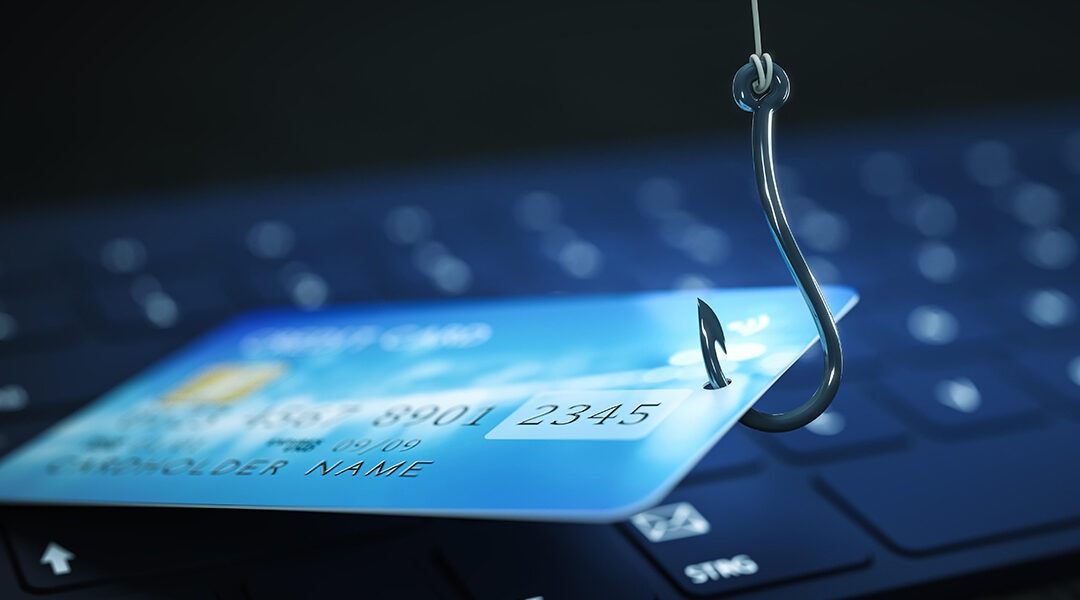
Phishing refers to fraudulent attempts—often made through email, phone calls, or text messages—to trick individuals into revealing sensitive data such as bank login credentials, account numbers, or Social Security numbers. In recent years, these scams have become more sophisticated and widespread, especially against those who use online and digital banking.
Phishing is the #1 Most Frequently Reported Cybercrime in the World
The volume is more than 2x larger than the second closest cybercrime category.
But why are bank customers such a prime target for phishing scams? The answer is simple: access to your bank account means access to your hard-earned money and personal identity. Criminals know that if they can steal your banking information, they may quickly transfer funds, make unauthorized purchases, open fraudulent accounts in your name, or even commit other schemes like mortgage fraud or identity theft. The result? Long-lasting financial and emotional stress.
Reported from accounts taken over by cybercriminals.
Beyond the immediate loss of money, you might face damage to your credit score, months or even years of sorting out identity theft, and disruptions to your daily life as you work to restore your accounts. For businesses, a single compromised account can lead to financial losses, reputational harm, and strained customer relationships.
That’s why it’s so important to understand how phishing works and how to recognize the warning signs. Awareness and proactive action are your best defenses against these evolving scams.
Most Common Phishing Scams in Banking
Staying informed about the most common phishing tactics is the first step to safeguarding your accounts.
1. Email Phishing Scams
What it is:
Email phishing scams involve cybercriminals sending messages that appear to be from trusted organizations like your bank. These emails may use real logos or spoofed email addresses to appear genuine.
The objective is to create a sense of urgency or curiosity, pressuring you to take quick action: clicking a link, downloading an attachment, or providing confidential information. These links often direct you to fake websites designed to steal your credentials, or the attachments may contain malware that can compromise your computer.
What to look for:
- Unexpected requests for personal or banking information
- Threatening or urgent language (e.g., “Immediate action required!”)
- Misspellings, poor grammar, or unfamiliar sender addresses
- Links that don’t match the official bank website
How to protect yourself:
- Always check the sender’s email address carefully
- Never click on suspicious links or download unexpected attachments
- Access your WMB account by typing www.wilsonmuirbank.com into your browser, rather than following a link in an email
- When in doubt, contact WMB directly before responding
2. Phone Phishing (Vishing)
What it is:
In vishing attacks, scammers call you posing as legitimate bank representatives. They may use spoofed numbers to make it look like the call is coming from Wilson & Muir Bank & Trust or another trusted source.
The caller will often sound professional and try to earn your trust, sometimes referencing partial information they may have found about you online. They typically claim there’s an urgent issue with your account or a security concern, in an attempt to persuade you to divulge account numbers, PINs, or security codes.
How to spot a scam:
- Unexpected calls requesting sensitive information
- Callers pressuring you to act quickly or claiming your account is compromised
- Requests for your password, PIN, or full account numbers
How to protect yourself:
- Never provide personal banking details over the phone unless you have initiated the call to an official WMB number
- Hang up and call WMB’s customer service directly if a call seems suspicious
3. Text Message Phishing (Smishing)
What it is:
Smishing uses text messages to target customers, often sending messages that look like official bank alerts. These texts may claim your account is locked, there’s suspicious activity, or you need to verify personal information. Scammers include links to fake websites or urge you to reply with sensitive details.
Because text messages are fast and convenient, customers may be tempted to act before questioning the legitimacy of the message, making this an increasingly popular tactic among fraudsters.
How to protect yourself:
- Be wary of unsolicited texts demanding immediate action
- Do not click on links or respond with personal information
Online Banking Security: Best Practices
Cybercriminals are becoming increasingly smarter, but so are we. Protect yourself with these best practices:
- Use strong, unique passwords for your bank accounts
- Enable two-factor authentication whenever possible
- Regularly monitor your accounts for unauthorized transactions
- Keep your devices and software up to date
- If you notice anything unusual, contact Wilson & Muir Bank & Trust right away
How Wilson & Muir Bank & Trust Can Help
Your security is our priority. WMB offers a variety of resources to help you stay safe:
Fraud Center
Access resources and education about the latest scams via our fraud center
Customer Service
Our dedicated team is available via phone or in person to help.
If you suspect you’ve been targeted by a phishing scam or have questions about your account security, please contact us or visit your local WMB branch. Our team is always here to help.
When in Doubt, Reach Out!
Take Action Today
Protecting yourself from phishing scams is a partnership. Stay vigilant, report anything suspicious, and rely on Wilson & Muir Bank & Trust for expert, friendly support. For more tips and updates on bank security, visit our Fraud Center.
Remember: WMB will never ask you to share sensitive information via email, phone, or text. When in doubt, contact us directly. Together, we can keep Kentucky’s banking community safe and secure.